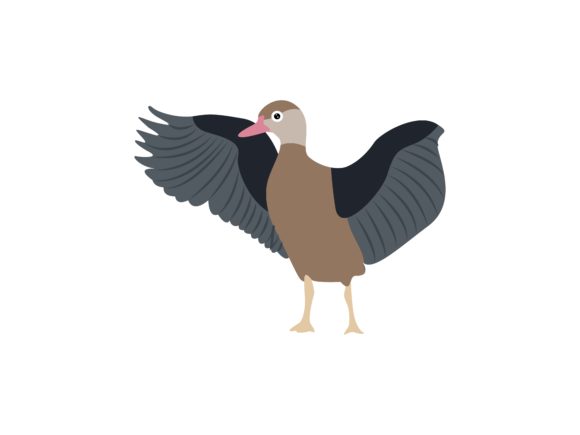
Exploring the Charm of Duck Hunt Standing Animal Illustrations
There is a specific kind of nostalgia that washes over you when you see a certain stance of a pixelated dog or a retro duck. The "Duck Hunt Standing Animal" concept taps directly into that vintage gaming aesthetic, offering a visual style that is instantly recognizable yet surprisingly versatile for modern design projects. This isn't just about a single character; it represents a distinct illustration style characterized by bold outlines, limited color palettes, and that signature "ready" pose that suggests anticipation. For designers and creators, understanding the visual weight and personality of this style is the first step toward leveraging it effectively. It carries a playful, slightly mischievous energy that works exceptionally well for brands aiming for approachability and a touch of retro cool.
Visual Style and Core Appeal
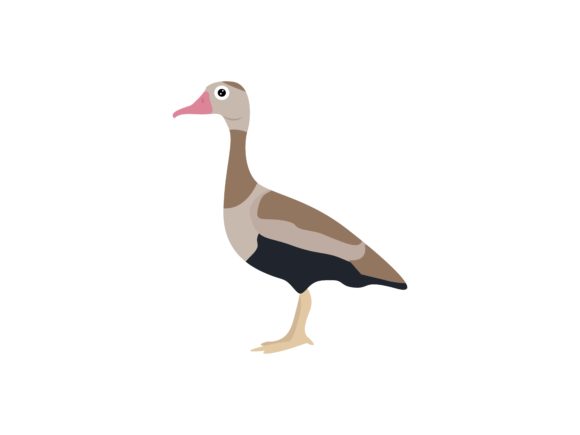
The strength of the Duck Hunt Standing Animal illustration lies in its simplicity. The visual characteristics are defined by clean, geometric shapes. You typically see flat colors without complex gradients, which makes it incredibly friendly for various reproduction methods. The personality here is confident and alert. Whether it’s a dog pointing at a hidden bird or a duck mid-flight, the pose is dynamic yet contained within a clear silhouette. This style avoids the clutter of realism, focusing instead on iconic representation. For a brand, this translates to high memorability. In a crowded marketplace, a simplified, bold illustration stands out far better than a detailed, photorealistic image, especially when viewed on small screens or from a distance.
The overall appeal is rooted in that "8-bit" or "retro-gaming" aesthetic that continues to dominate social media trends and merchandise design. It feels authentic and handcrafted, even when it is digitally produced. This aesthetic bridges the gap between childhood nostalgia and contemporary graphic design, making it a powerful tool for audience engagement. It signals that a brand doesn't take itself too seriously but still values quality design assets.
Practical Applications: Beyond the Screen
One of the most significant advantages of the Duck Hunt Standing Animal style is its adaptability across different mediums. Because the design relies on high contrast and simple shapes, it translates beautifully from digital to print. This is where the versatility of the provided file formats—Ai, EPS 10, JPG, and PNG—becomes critical for your workflow.
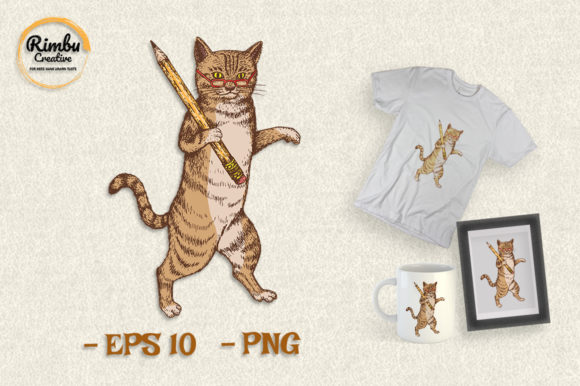
For entrepreneurs and small business owners, this style is a goldmine for physical products. Imagine using this illustration for sticker sheets. The clean edges allow for easy die-cutting without complex weeding. For apparel, particularly T-shirt printing, the limited color count means you can achieve cost-effective screen printing or Direct-to-Garment (DTG) results without losing vibrancy. The illustration pops against both light and dark fabrics, maintaining its integrity wash after wash.
Furthermore, consider the digital space. In web design and social media graphics, a standing animal illustration serves as an excellent visual break or a call-to-action element. It adds personality to an otherwise sterile grid layout. For content creators and bloggers, using this style for icons or pattern backgrounds can unify a visual identity across a website, a newsletter, and Instagram stories. It creates a cohesive ecosystem that feels intentional and professional.
Integrating into Brand Identity and Marketing
When we talk about brand identity, consistency is king. The Duck Hunt Standing Animal style offers a unique opportunity to establish a distinct visual language. If your brand voice is witty, energetic, or tech-savvy, this illustration style aligns perfectly. It works well for packaging design, especially for food, tech accessories, or lifestyle goods that want to convey a "fun" factor.
From a marketing perspective, using a consistent illustration style like this helps with brand recognition. Over time, your audience will begin to associate the specific visual rhythm of these illustrations with your content. This is much more effective than using generic stock photography. For example, a podcast cover art featuring a standing animal in this style immediately sets a tone that is different from the standard corporate headshot or abstract gradient.
Technical Considerations and Workflow Tips
Working with the provided files requires a basic understanding of vector vs. raster graphics. The Ai and EPS 10 files are your best friends here. These vector formats allow you to scale the Duck Hunt Standing Animal to any size—from a tiny favicon on a browser tab to a massive banner at a trade show—without any loss of quality. You can easily edit colors, remove specific elements, or integrate the illustration into a larger composition using software like Adobe Illustrator or Affinity Designer.
The JPG files are suitable for quick mockups or presentations where file size matters, while the PNG files, likely with transparent backgrounds, are essential for layering the illustration over photographs or other design elements in your layout. When planning a project, always start with the vector file. It preserves the crispness of the lines that defines this aesthetic. If you are creating a pattern, for instance, duplicating a vector element is seamless and results in a much cleaner repeat tile than trying to pixel-match raster images.
Choosing the Right Context
Not every project calls for a retro-gaming aesthetic, but when it fits, it fits perfectly. Evaluate your project's audience. If you are targeting millennials or Gen Z, the nostalgia factor is a massive asset. If you are designing for a formal corporate legal firm, perhaps this style is better suited for an internal team-building flyer rather than the main website. However, for invitation cards, event flyers, or educational materials, the Duck Hunt Standing Animal brings a level of engagement that text alone cannot achieve. It breaks the ice and draws the eye.
Ultimately, the value of this illustration style lies in its ability to communicate complex ideas—like "play," "focus," or "nature"—through a simple, stylized form. It is a design asset that respects the viewer's intelligence by not over-explaining, instead relying on a shared cultural shorthand to make its point. For the modern creator, it is a tool that balances professional polish with a relaxed, human touch.