Animal Underwater Vector: Bringing Aquatic Charm to Your Designs
Exploring the Visual Essence of This Design Asset
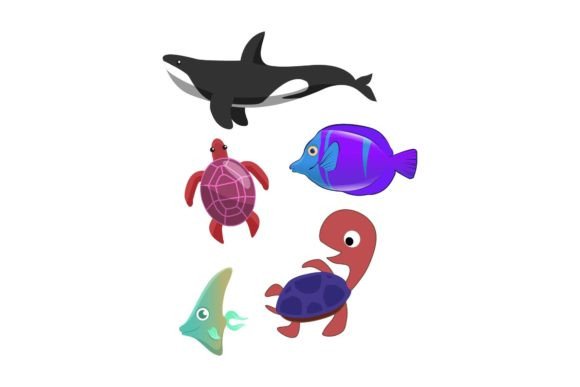
There’s something universally captivating about the underwater world. The fluidity, the color, the sense of quiet movement—it all translates into design in a way that feels both refreshing and timeless. That’s exactly the appeal of the Animal Underwater Vector. It’s not just a single image; it’s a versatile design resource built around aquatic creatures rendered in clean, scalable vector style. Think of playful dolphins, serene sea turtles, or vibrant tropical fish, all captured with crisp lines and balanced color palettes. The visual personality here leans toward a blend of realism and illustration—detailed enough to feel authentic, yet stylized enough to work across a wide range of projects. Whether you’re designing for a children’s brand, a marine conservation campaign, or a summer-themed product line, this vector set carries a friendly, approachable energy that doesn’t feel overly cartoonish or too stiff.
Where This Design Truly Shines
One of the biggest strengths of the Animal Underwater Vector is its flexibility. Because it’s delivered in multiple formats—AI, SVG, transparent PNG, JPG, and EPS—it slots easily into almost any workflow. Designers working in Adobe Illustrator can tweak colors and shapes directly. Those using Canva or other drag-and-drop tools can use the PNG or JPG versions without losing quality. The 1920x1280 canvas size gives you a solid foundation for both digital and print projects, though you can scale it up or down as needed thanks to the vector formats.
So, where does it work best? Honestly, the list is long. Here are just a few practical applications:
- Apparel and merchandise: T-shirts, tote bags, and hats benefit from the clean, scalable nature of vector art. The designs hold up well on fabric, whether you’re screen printing or using direct-to-garment methods.
- Posters and wall art: The detail in these underwater scenes makes for engaging prints. Think kids’ room decor, coastal-themed home accessories, or even office spaces that want a touch of nature.
- Stickers and decals: The transparent PNG format is perfect for die-cut stickers. Laptop decals, water bottle stickers, or planner accessories—these designs pop without a white box around them.
- Digital content: Social media graphics, blog post headers, and email banners can all benefit from a cohesive underwater theme. It’s especially useful for content creators in niches like travel, wellness, education, or eco-friendly brands.
- Print materials: Greeting cards, invitations, and packaging for products like bath goods, seafood, or outdoor gear can use these vectors to add personality without overcomplicating the layout.
How It Influences Brand Perception and Audience Engagement
Design isn’t just about looking good—it’s about communication. When you incorporate a visual element like the Animal Underwater Vector, you’re sending a message. Aquatic imagery often evokes feelings of calm, curiosity, and exploration. For a brand, that can translate into a perception of being approachable, thoughtful, or adventurous. For a blogger or content creator, it can help set a mood that resonates with readers on an emotional level.
Consistency is another key factor. If you’re building a brand identity around a coastal or nature-inspired theme, having a set of related vector illustrations helps maintain a unified look across all touchpoints. Your social media graphics, website headers, and print materials all speak the same visual language. That kind of cohesion builds recognition over time. People start to associate those colors and shapes with your brand, even before they read the text.
Readability and visual hierarchy also come into play. A well-placed illustration can guide the eye, break up long blocks of text, or highlight a key message. For example, using a small sea turtle icon next to a call-to-action button on a website can draw attention without feeling intrusive. In editorial design, a full-page underwater scene can serve as a dramatic opener for a feature article about marine biology or sustainable living.
Practical Tips for Using This Design Effectively
Before you dive in, it’s worth taking a moment to evaluate whether this particular style fits your project. Ask yourself: Does the tone match my audience? A playful, colorful dolphin might work for a children’s brand but could feel out of place for a luxury spa. Look at the line weight, color saturation, and level of detail. These elements should complement, not compete with, your existing design assets.
Font pairing is another consideration. If you’re using the Animal Underwater Vector alongside text, choose typefaces that harmonize with the illustration’s style. A clean sans serif font often works well for a modern, uncluttered look. A slightly rounded, friendly typeface can echo the approachable vibe of the illustrations. Avoid overly ornate or script fonts that might clash with the vector’s simplicity.
Test the design in context. Don’t just look at it on your screen—mock it up on a t-shirt, a poster, or a social media template. See how it looks at different sizes. Check the transparency in the PNG files to ensure it integrates seamlessly with your background colors or textures. If you’re using the EPS or AI files, experiment with color adjustments to match your brand palette.
Finally, pay attention to licensing. Most premium font and design asset providers offer clear commercial licenses, but it’s always smart to double-check. If you’re creating products for sale—whether it’s merchandise, printables, or digital goods—make sure your license covers that use. This is especially important for small business owners and entrepreneurs who plan to scale their product lines.
Bringing It All Together
The Animal Underwater Vector isn’t just a set of pretty pictures. It’s a practical, adaptable design tool that can elevate projects across industries. Whether you’re a designer crafting a brand identity, a marketer building a campaign, or a hobbyist making stickers for fun, these vectors offer a balance of quality and flexibility that’s hard to beat. The key is to use them thoughtfully—match them to your audience, integrate them with your existing visual language, and always test before you commit. When done right, a simple underwater illustration can become a signature element that people remember and connect with.