The Allure of the Sand Fish Animal: A Designer's Guide
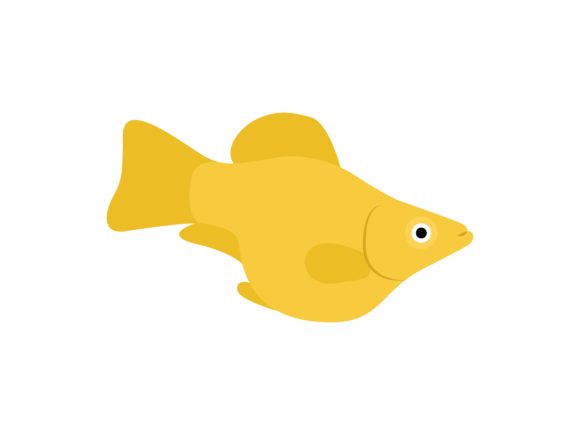
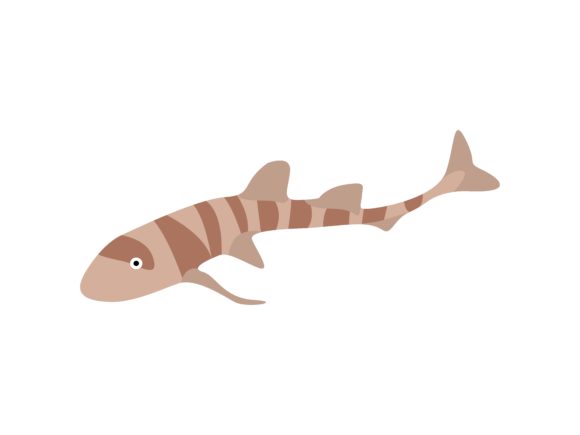
When you first encounter the Sand Fish Animal, it’s less like finding a new typeface and more like discovering a new character for your visual stories. This isn't just another entry in a long list of design assets; it’s a distinct creative resource with its own personality. The visual style of the Sand Fish Animal illustration is a blend of organic fluidity and subtle texture, evoking the smooth, polished look of sea glass or the intricate patterns found on desert reptiles. Its appeal lies in its versatility—it can feel playful and whimsical for a children's brand, or elegant and minimalist for a high-end cosmetic label. The personality is adaptable, shifting based on the context you place it in, which is the hallmark of a truly useful creative asset.
Where the Sand Fish Animal Truly Swims
The real-world value of the Sand Fish Animal illustration becomes apparent when you look at its potential applications. For a graphic designer, it’s a ready-made element for logo design or brand identity projects, particularly for clients in eco-tourism, sustainable goods, or boutique hospitality. Imagine it as the central icon for a coastal retreat's brand, or as a subtle watermark on artisanal product packaging. For marketers and content creators, it transforms social media graphics from mundane to memorable. A well-placed Sand Fish Animal icon can stop the scroll, add visual interest to an Instagram story, or serve as a cohesive element across a series of blog post headers. It’s the kind of creative font asset—though here an illustration—that solves multiple problems at once.
Beyond digital, its utility shines in print and physical products. Entrepreneurs and small business owners can leverage the provided file formats (AI, EPS 10, JPG, PNG) for direct applications. Use the vector files for crisp printing on apparel, from t-shirts to tote bags. The PNG with a transparent background is perfect for DIY printing on invitations, stickers, or as a decorative element in editorial design layouts. For crafters and hobbyists, it’s a straightforward asset for personal projects, allowing for professional-looking results without the need for complex design software skills. Its adaptability across packaging design, stationery, and merchandise makes it a practical addition to any creative's toolkit.
Making the Sand Fish Animal Work for You
Choosing to incorporate the Sand Fish Animal into a project is the first step. The next is ensuring it integrates seamlessly. Start by evaluating its visual weight and style against your project's overall aesthetic. Is the tone you're aiming for friendly, sophisticated, or rustic? The illustration's inherent style can be accentuated or muted through color choices and surrounding elements. When pairing it with typography, consider contrast and harmony. A serif font with classic lines might ground the organic shape, creating a nice tension between traditional and modern. Alternatively, a clean sans serif font can let the illustration take center stage, emphasizing its unique form. The key is to test these font pairing scenarios in a mockup to see how they interact visually.
For commercial use, clarity is essential. The provided file formats ensure you're covered for most needs—vector files for scaling without loss of quality, and raster files for quick digital implementation. While the asset is described for "all the things you need," it's always prudent to review the specific license details for the intended use, especially for large-scale commercial products or resale items. Think of the Sand Fish Animal not as a magic bullet, but as a versatile component in your broader design system. Its strength lies in its ability to add a touch of natural, organic charm that feels both unique and approachable. By thoughtfully applying it, you move beyond generic visuals and create something with a tangible point of difference, something that resonates because it has a character of its own.