Animal Tarantula Watercolor: A Wildly Unique Design Asset
There’s a distinct thrill in finding a design element that feels both primal and polished. The Animal Tarantula Watercolor collection isn't your typical floral arrangement or abstract splash; it’s a foray into the darker, more textured side of the aesthetic spectrum. For designers and creators working on projects that require a touch of the macabre, the exotic, or the intensely detailed, this pack of four high-resolution PNG clipart files offers a solution that is as practical as it is visually arresting. It’s an invitation to break from the expected and inject a dose of the wild into your work.
The Visual Character: Intricate, Textured, and Unapologetically Bold
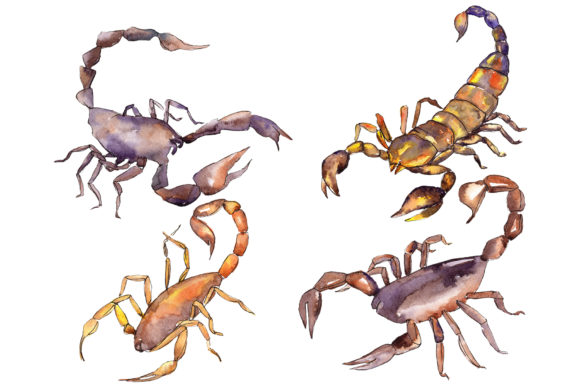
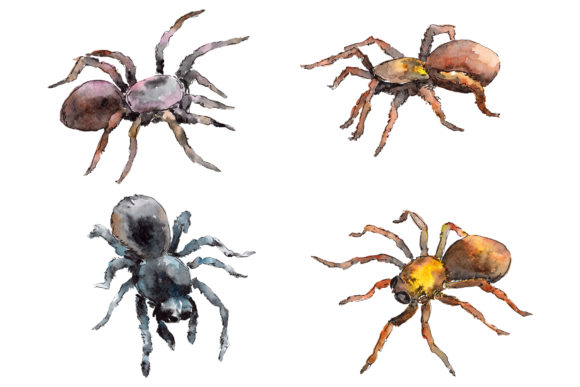
What immediately defines the Animal Tarantula Watercolor style is its commitment to realism through a soft, artistic lens. These aren't cartoon spiders; they are meticulously rendered illustrations where every hair, every leg segment, and every facet of the eyes is captured with the nuanced bleed and granulation of true aquarelle painting. The style walks a fascinating line: the subject is often feared, yet the execution is beautiful, transforming the creature into a compelling piece of art. The palette leans into naturalistic tones—earthy browns, muted ochres, charcoal grays, and perhaps accents of iridescent blues or greens—making the illustrations versatile for both realistic and stylized projects.
This isn't just a single isolated image. The pack’s value lies in its four-file structure: Frames, Borders, Patterns, and an Isolated Illustration. Each element is a separate, hand-painted asset. The patterns and frames, delivered as high-resolution JPGs (3500x3500px), provide a complete ecosystem for design. Imagine a seamless pattern of tiny tarantula silhouettes in a watercolor wash for a subtle, textured background. Picture a bold, ornate border where larger, detailed spiders climb along the edges, creating a frame that’s both intimidating and captivating. This cohesive set allows for consistent theming across a single project or an entire brand identity.
Strategic Applications: Where This Aesthetic Thrives
Understanding where to deploy the Animal Tarantula Watercolor assets is key to leveraging their full potential. Their strength lies in projects that target a niche audience or aim for a specific mood. This is a creative font (or in this case, graphic asset) for brands and projects with personality.
Event & Editorial Design: This is prime territory. For a Halloween event, a gothic-themed wedding, or a natural history museum exhibit, these graphics are perfect. Use the isolated tarantula as a dramatic focal point on a wedding invitation suite, paired with elegant serif font typography for a stunning contrast of the beautiful and the beastly. The frames can instantly elevate a quote poster for a fantasy novel or a blog header for a entomology enthusiast.
Branding & Marketing: Entrepreneurs and small business owners in specific niches will find this invaluable. A craft brewery specializing in a "Black Widow IPA," a tattoo parlor, a specialty pet shop, or a brand selling alternative jewelry can build a powerful brand identity around this imagery. The detailed watercolor texture adds a layer of artisanal quality, suggesting something handmade and premium. Use the pattern as a subtle background on a website or social media graphics to create depth and intrigue.
Product & Packaging Design: Think outside the box. The Animal Tarantula Watercolor pattern could be stunning on a line of dark-themed journals, notebook covers, or even as an accent on fabric for a limited-edition apparel run. The isolated illustration could grace the label of a hot sauce or a specialty coffee blend with a bold, adventurous name.
Practical Integration: Making It Work for Your Project
Adopting any new design asset requires a bit of strategy. Here’s how to ensure these watercolor elements enhance rather than overwhelm your work.
- Consider Your Audience and Message: This is the most crucial step. The tarantula is a symbol with strong connotations. For a children’s party, it might be frightening. For a heavy metal band’s merchandise, it’s perfect. Always align the asset’s inherent personality with your project’s core message and your audience’s expectations.
- Master the Font Pairing: The success of using these graphics with typography hinges on contrast and balance. Pair the intricate, organic illustration with clean, geometric sans serif font styles for a modern, high-contrast look. Alternatively, combine it with an elegant, flowing script font or a classic serif font to create a sophisticated, vintage naturalist feel—like a page from a Victorian explorer’s journal. Avoid pairing it with other overly decorative or handwritten font styles, which could create visual clutter.
- Leverage the File Types: Use the PNG files (without background) for layering over photos or complex backgrounds. Use the JPG patterns and frames as your canvas base or for large-format printing like posters and backdrops. Since elements are fully editable in terms of size and color, you can recolor the watercolor washes to match a specific brand palette, though the natural tones are often the most effective.
- Test for Readability and Hierarchy: In a design like a poster or invitation, the tarantula will naturally draw the eye. Use this to your advantage. Place it where you want the viewer’s focus to land, and ensure that any accompanying text is highly legible against the background. The watercolor texture, while beautiful, can reduce contrast. Always do a print test or a zoomed-in screen check to confirm that text remains sharp and easy to read.
Ultimately, the Animal Tarantula Watercolor pack is a tool for storytelling. It’s for the designer who needs to convey mystery, resilience, or raw beauty. It’s for the marketer who isn’t afraid to embrace a bold niche. By treating these illustrations with the same strategic thought you’d give to a premium font or a core color palette, you can transform them from simple clipart into a cornerstone of a compelling and professional visual narrative. The possibilities, as with any truly versatile asset, are limited only by the scope of your creativity.