Animal Retro Vector Illustration: A Designer's Secret Weapon
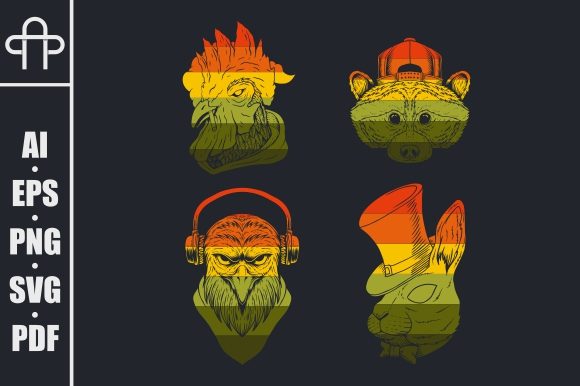
You know that feeling when a design needs personality, but stock photos feel sterile and generic clip art looks cheap? That’s where Animal Retro Vector Illustration steps in. It’s not just a set of graphics; it’s a curated aesthetic, a specific mood bottled into scalable design assets. Think of it as the visual equivalent of a well-chosen display font—it sets the tone instantly. This collection, with its AI, EPS, PNG, SVG, and PDF files, offers more than just cute animals. It provides a bridge to a nostalgic, textured style that modern, flat design often misses.
The retro label isn’t just a marketing term here. These illustrations carry the hallmarks of mid-century print ads and vintage packaging: limited color palettes, subtle grain, bold outlines, and a handcrafted feel that digital perfection can’t replicate. They have a warmth and character that resonates with audiences tired of homogenized visuals. For a designer, this is a powerful tool. It allows you to inject instant heritage and trust into a project without spending hours trying to create that effect from scratch. The personality is baked right in.
More Than Just Clip Art: Understanding the Retro Vector Style
Let’s break down what makes these vectors distinct. First, the vector part is crucial. Unlike raster images that pixelate when scaled, these files (especially the EPS and SVG) are infinitely scalable. You can blow up a bear for a billboard or shrink a rabbit for a favicon without losing crispness. This is the foundation of professional modern typography and illustration—flexibility. The “retro” style is defined by a few key visual traits: a slightly worn or textured appearance, often achieved through halftone dots or subtle noise; a color scheme that favors muted, earthy tones or bold, primary colors reminiscent of 1950s signage; and compositions that feel balanced and graphic, rather than photorealistic.
This style has a distinct personality. It communicates authenticity, craftsmanship, and a story. It feels hand-made and intentional. In a world of sleek, minimalist sans serif font branding, this approach stands out by feeling familiar and human. It’s not trying to be cutting-edge; it’s aiming for timeless appeal. For a brand identity, this can be a strategic choice to differentiate from competitors and build an emotional connection with a demographic that values nostalgia and quality.
Where This Style Truly Shines: Practical Applications
The versatility of Animal Retro Vector Illustration is its greatest strength. This isn’t a one-trick pony (pun intended). Its applications span across almost every creative field, each benefiting from its unique charm.
In logo design and brand identity, these illustrations can serve as the cornerstone of a visual system for brands in the food and beverage, craft brewery, outdoor apparel, children’s education, or artisanal goods space. Paired with a sturdy serif font or a clean sans serif font, they create logos that feel established and trustworthy. The included AI and EPS files make it seamless to integrate into Adobe Illustrator workflows for branding packages.
For packaging design, this style is a natural fit. Imagine a coffee bag with a retro-styled fox, or a honey jar with a vintage bee. It instantly communicates product quality and artisanal origins. The texture and detail in these vectors hold up beautifully in print, especially on materials like kraft paper or matte finishes, enhancing the tactile experience.
In editorial design and web design, they break up text-heavy layouts and add visual interest. A retro animal illustration can act as a section break, a chapter header in a book, or a featured image in a blog post about sustainable living or pet care. The PNG files with transparent backgrounds are perfect for quick placement on websites or in documents, while the SVG files ensure they look sharp on any screen resolution.
For social media graphics, they are gold. They stop the scroll. A well-placed illustration in an Instagram post or a Facebook ad can increase engagement by making the content more relatable and visually distinct. They work exceptionally well for creating series, like “Animal of the Month” posts for a zoo or nature-focused brand.
Crafters and hobbyists also find immense value. The PDF files are great for printing templates for scrapbooking, card making, or even vinyl decals for personal projects. The commercial license typically included with these premium assets means small business owners can use them on products for sale, like t-shirts, mugs, or stationery, opening up a world of possibilities.
Making the Right Choice: Selection and Implementation Tips
So, you’re convinced of the style’s potential. How do you evaluate if this specific Animal Retro Vector Illustration pack is the right design asset for your project? Don’t just download and hope for the best. Approach it like you would a premium font.
First, assess the collection’s scope. Does it include the animals that align with your project’s theme or message? A collection heavy on woodland creatures might be perfect for an eco-brand but less suitable for a tropical resort. Look at the consistency of style across the set. Do all the illustrations feel like they belong together? This is vital for creating a cohesive brand identity or a harmonious layout.
Next, consider font pairing. This is where your design intuition comes in. The bold, graphic nature of these illustrations often pairs best with typefaces that have their own strong character but don’t compete for attention. A classic, sturdy serif font can complement the vintage feel. A clean, geometric sans serif font can create a striking contrast that feels both retro and modern. Avoid overly decorative script fonts or handwritten fonts that might clash with the illustration’s own visual “voice.” Test pairings by placing a headline next to an illustration to see if they create a unified message or a visual tug-of-war.
Readability is key, especially in editorial design and web design. Ensure the illustration’s level of detail doesn’t overwhelm accompanying text. Sometimes, using a simplified version or a single-color variant (if available) works better for small sizes or busy backgrounds. The vector format allows you to easily adjust colors to match your palette, ensuring seamless integration.
Finally, understand the licensing. Since this is a commercial font and asset pack, verify the license permits your intended use—whether for a client project, a product for sale, or a personal blog. Most reputable sources are clear, but it’s always worth a quick check to avoid headaches down the road.
In the end, choosing an asset like this is about more than just filling space. It’s about selecting a visual voice. The Animal Retro Vector Illustration offers a voice that is warm, authentic, and packed with character. When used thoughtfully, it can elevate a project from simply looking good to feeling truly memorable. It’s a bridge to a design philosophy that values story and soul—a powerful tool in any creative’s arsenal.